Best Companion Plants For Runner Beans
Title: Best Companion Plants for Runner Beans
Introduction:
Runner beans are a delicious and versatile vegetable that can be grown in most gardens. They are also relatively easy to care for, making them a good choice for beginner gardeners. One of the best ways to ensure a successful harvest of runner beans is to plant them with companion plants. Companion planting is the practice of planting different types of plants together in order to benefit each other. Some plants, for example, can help to deter pests, while others can improve the soil quality.
In this blog post, we will discuss the best companion plants for runner beans. We will also provide some tips on how to plant and care for these plants together.
Main Content:
The Benefits of Companion Planting
There are many benefits to companion planting. Some of the most common benefits include:
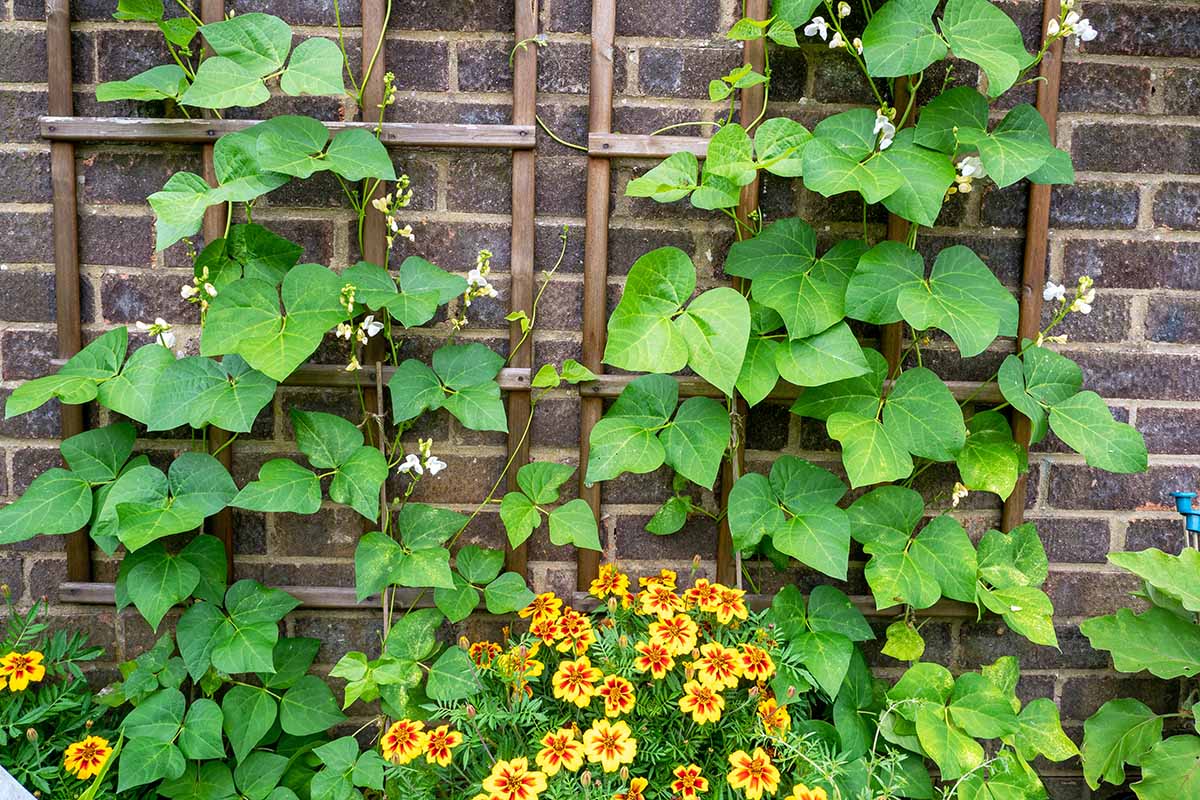
- Disease and pest control: Certain plants can help to repel pests and diseases, which can help to keep your runner beans healthy. For example, marigolds are known to deter pests such as Mexican bean beetles.
- Improved soil quality: Some plants can help to improve the soil quality, which can benefit the growth of your runner beans. For example, beans are nitrogen-fixing plants, which means they can add nitrogen to the soil. This can help to improve the fertility of the soil and make it more conducive to growing vegetables.
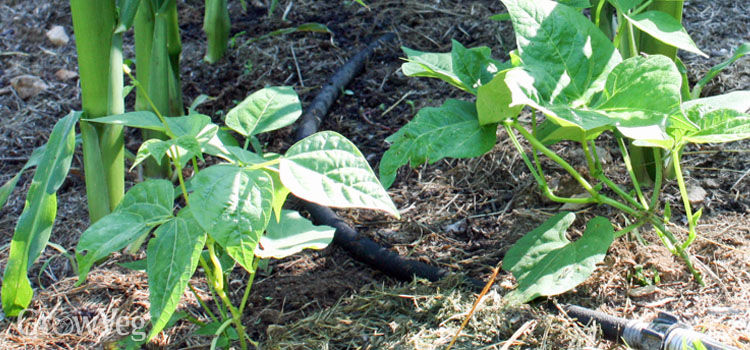
- Increased yields: Companion planting can help to increase the yields of your crops. For example, corn can provide shade for bush beans, which can help them to produce more beans.
- Visual appeal: Companion planting can also add visual appeal to your garden. For example, planting runner beans with flowers such as nasturtiums can create a beautiful and colorful display.
The Best Companion Plants for Runner Beans
Some of the best companion plants for runner beans include:
- Corn: Corn can provide shade for bush beans, which can help them to produce more beans. Corn can also help to attract pollinators, which can benefit both corn and beans.
- Cucumbers: Cucumbers and runner beans can be planted together to help improve the pollination of both plants. Cucumbers can also help to suppress weeds, which can free up your time to focus on other tasks.
- Lettuce: Lettuce is a good companion plant for runner beans because it can tolerate the shade that is cast by the bean plants. Lettuce can also help to suppress weeds and improve the soil quality.
- Marigolds: Marigolds are known to deter pests such as Mexican bean beetles. They can also help to improve the soil quality.
- Nasturtiums: Nasturtiums are another good choice for companion planting with runner beans. They can help to deter pests such as aphids and whiteflies. Nasturtiums can also attract pollinators, which can benefit both nasturtiums and runner beans.
- Peas: Peas are nitrogen-fixing plants, which means they can add nitrogen to the soil. This can help to improve the fertility of the soil and make it more conducive to growing vegetables. Peas can also help to suppress weeds.
- Spinach: Spinach is a good companion plant for runner beans because it can tolerate the shade that is cast by the bean plants. Spinach can also help to suppress weeds and improve the soil quality.
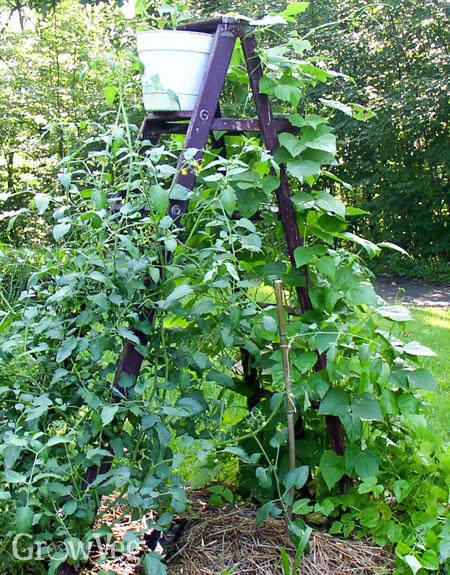
- Tomatoes: Tomatoes and runner beans can be planted together to help improve the pollination of both plants. Tomatoes can also help to suppress weeds and improve the soil quality.
Tips for Planting and Caring for Companion Plants
When planting companion plants, it is important to consider the size and growth habits of the plants. For example, you wouldn't want to plant a large plant like corn next to a small plant like lettuce. You should also consider the amount of sunlight and water that each plant needs.
Once you have planted your companion plants, it is important to care for them properly. This includes watering them regularly, fertilizing them as needed, and weeding the area around them. You should also monitor your plants for signs of pests or diseases.
Conclusion:
Companion planting is a great way to improve the health and productivity of your garden. By planting runner beans with the right companion plants, you can help to deter pests, improve the soil quality, and increase your yields.
Runner beans are a delicious and versatile vegetable that can be grown in many different climates. One way to improve your chances of success is to plant them with companion plants. Companion planting is the practice of planting certain plants together to benefit each other. For example, runner beans can benefit from being planted near plants that attract pollinators, such as nasturtiums or marigolds. They can also benefit from being planted near plants that suppress weeds, such as strawberries or radishes.
To learn more about companion planting for runner beans, visit Home Gardening. This website has a wealth of information on the topic, including a list of recommended companion plants, tips on how to plant them together, and advice on how to avoid planting them with incompatible plants.
FAQ of companion planting for runner beans
- What are some good companion plants for runner beans?
Some good companion plants for runner beans include:
Basil: Basil is a natural insect repellent that can help to deter pests such as aphids, spider mites, and whiteflies. It also helps to improve the flavor of the beans.
Cucumbers: Cucumbers and runner beans are both members of the cucurbit family, and they benefit from being planted together. The cucumbers provide shade for the beans, which helps to prevent them from bolting. The beans, in turn, help to improve the soil aeration for the cucumbers.
Marigolds: Marigolds are another good companion plant for runner beans. They help to repel pests such as nematodes and Mexican bean beetles. They also attract beneficial insects such as ladybugs and hoverflies, which help to control pests.
Peas: Peas and runner beans are both legumes, which means that they fix nitrogen in the soil. This helps to improve the soil quality for both plants. Peas also help to suppress weeds, which can compete with runner beans for nutrients and water.
Spinach: Spinach is a cool-season crop that can be planted in the same bed as runner beans after the beans have started to grow. Spinach does not compete with runner beans for nutrients, and it can help to suppress weeds.
What are some plants that I should avoid planting near runner beans?
Some plants that you should avoid planting near runner beans include:
Alliums: Alliums, such as garlic, onions, and chives, can stunt the growth of runner beans.
Cabbage family plants: Cabbage family plants, such as broccoli, Brussels sprouts, and cauliflower, can attract pests that also target runner beans.
Fennel: Fennel can inhibit the growth of runner beans.
Potatoes: Potatoes can harbor diseases that can also infect runner beans.
Squash: Squash can compete with runner beans for nutrients and water.
How close together should I plant runner beans and their companion plants?
The ideal spacing for runner beans and their companion plants will vary depending on the specific plants involved. However, as a general rule of thumb, you should allow at least 12 inches of space between each plant. This will give the plants enough room to grow and develop properly.
- How can I use companion planting to improve my runner bean harvest?
Companion planting can help to improve your runner bean harvest in a number of ways. By planting compatible plants together, you can create a more balanced ecosystem in your garden. This can help to deter pests and diseases, and it can also improve the overall health and productivity of your plants.
In addition to planting compatible plants together, you can also use companion planting to create beneficial insect habitats. For example, you can plant marigolds or nasturtiums to attract ladybugs and other beneficial insects that prey on pests. You can also plant flowering herbs such as basil or thyme to attract pollinators such as bees and butterflies.
By using companion planting, you can create a more productive and sustainable garden. You can also reduce your reliance on pesticides and herbicides, and you can enjoy the beauty and diversity of a healthy ecosystem.
Image of companion planting for runner beans
- Runner beans and corn: Corn provides support for the runner beans to climb, while the beans fix nitrogen in the soil, which benefits the corn.
- Runner beans and tomatoes: Tomatoes and runner beans are both heavy feeders, so they benefit from being planted together. The tomatoes also help to deter pests from the beans.
- Runner beans and marigolds: Marigolds are known for their pest-repelling properties, so they can help to protect runner beans from aphids, beetles, and other insects.
- Runner beans and nasturtiums: Nasturtiums are another type of plant that is known for its pest-repelling properties. They can also help to improve the soil quality, which benefits the runner beans.
- Runner beans and lettuce: Lettuce is a cool-season crop, so it can be planted in the same bed as runner beans in the spring or fall. The lettuce will provide some shade for the beans during the hottest part of the day.
- Runner beans and carrots: Carrots and runner beans are both relatively low-maintenance crops, so they can be planted together without much trouble. The carrots will help to keep the soil loose, which benefits the runner beans' roots.

- Runner beans and spinach: Spinach is another cool-season crop that can be planted in the same bed as runner beans. The spinach will provide some shade for the beans during the hottest part of the day, and the beans will help to improve the soil quality.
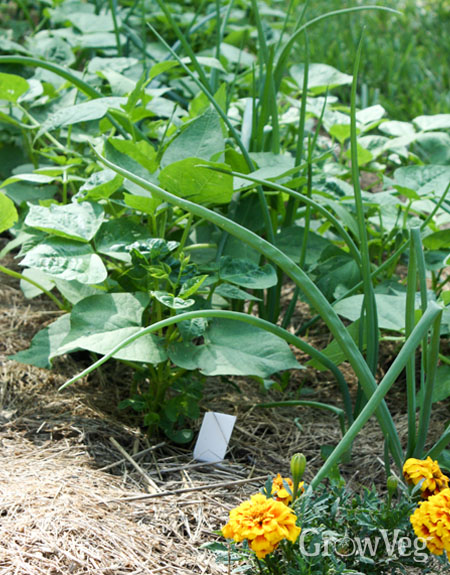
- Runner beans and peas: Peas and runner beans are both legumes, which means they fix nitrogen in the soil. This benefits both plants and can help to reduce the need for fertilizer.
- Runner beans and sunflowers: Sunflowers are tall plants that can provide support for the runner beans to climb. They also attract beneficial insects, which can help to control pests.

- Runner beans and herbs: Many herbs, such as basil, chives, and mint, can be planted near runner beans. These herbs can help to deter pests and improve the flavor of the beans.

Post a Comment for " Best Companion Plants For Runner Beans"