How To Transplant Phlox In Summer Without Damaging Your Plants
How to Transplant Phlox in Summer Without Damaging Your Plants
Phlox are beautiful, colorful flowers that can add a touch of elegance to any garden. However, if you need to transplant phlox in the summer, it's important to do it carefully to avoid damaging the plants.
Here are some tips on how to transplant phlox in summer without damaging your plants:
- Choose the right time of day. The best time to transplant phlox is early in the morning or late in the evening, when the sun is not as hot. This will help to reduce stress on the plants and give them a better chance of survival.
- Water the plants thoroughly before transplanting. This will help to loosen the soil and make it easier to remove the plants from the ground.
- Use a sharp spade or shovel to dig around the edge of the plant's root ball. Be careful not to damage the roots.
- Once you have dug around the root ball, lift the plant out of the ground. If the root ball is large, you may need to use two people to lift it.
- Place the plant in a prepared hole that is the same depth as the original hole. Backfill the hole with soil and water the plant thoroughly.
- Mulch around the plant to help retain moisture and suppress weeds.
With a little care and attention, you can successfully transplant phlox in summer without damaging your plants.
Here are some additional tips to help you transplant phlox in summer:
- Choose a shady spot for the new location. Phlox prefer partial shade, so avoid planting them in full sun.
- Water the plant regularly, especially during the first few weeks after transplanting.
- Fertilize the plant every few weeks with a balanced fertilizer.
- Deadhead spent blooms to encourage new growth.
- Protect the plant from pests and diseases.
With proper care, your transplanted phlox should thrive for many years to come.
Phlox is a beautiful and versatile flower that can add a splash of color to any garden. If you're thinking about transplanting phlox in the summer, there are a few things you need to know.
First, it's important to choose the right time of year to transplant. Phlox can be transplanted in the spring or fall, but summer is not the ideal time. This is because phlox is a water-loving plant, and transplanting it during hot, dry weather can stress it out and make it more susceptible to pests and diseases.
If you do decide to transplant phlox in the summer, choose a cloudy day and water the plant thoroughly before you start. Be sure to dig a hole that is the same depth and width as the root ball of the plant. Gently loosen the roots and place the plant in the hole. Backfill the hole with soil and water again.
To help your phlox plant recover from transplanting, you may want to fertilize it with a light application of a balanced fertilizer. You should also water it regularly, especially during hot, dry weather.
If you're looking for more information about transplanting phlox in the summer, I recommend visiting Garden Wiki. This website has a wealth of information on phlox care, including tips on how to transplant phlox successfully.
FAQ of transplanting phlox in summer
- Can I transplant phlox in summer?
Yes, phlox can be transplanted in summer, but it is not the ideal time to do so. The best time to transplant phlox is in spring, before new growth begins. However, if you need to transplant phlox in summer, it is important to do so during a cool, overcast day. Avoid transplanting phlox on a hot, sunny day, as this can stress the plant and make it more susceptible to transplant shock.
- How do I transplant phlox in summer?
To transplant phlox in summer, follow these steps:
1. Water the phlox plant well the day before you plan to transplant it.
2. Dig up the plant with a spade or garden fork, being careful not to damage the roots.
3. If the plant is large, divide it into smaller sections. Each section should have at least 3-4 healthy roots.
4. Prepare a new planting hole in the same size as the root ball of the phlox plant.
5. Add some compost or well-drained soil to the bottom of the hole.
6. Place the phlox plant in the hole and backfill with soil.
7. Water the phlox plant well.
- How do I care for phlox after transplanting in summer?
After transplanting phlox in summer, it is important to water the plant regularly, especially during the first few weeks. You may also want to apply a light layer of mulch around the plant to help retain moisture. Be sure to keep an eye on the plant for signs of transplant shock, such as wilting or yellowing leaves. If you notice any signs of transplant shock, water the plant more often and provide some shade.
- What are some tips for transplanting phlox in summer?
Here are some tips for transplanting phlox in summer:
* Choose a cool, overcast day to transplant.
* Water the phlox plant well before transplanting.
* Divide the plant into smaller sections if it is large.
* Prepare a new planting hole that is the same size as the root ball of the phlox plant.
* Add some compost or well-drained soil to the bottom of the hole.
* Backfill the hole with soil and water the phlox plant well.
* Keep an eye on the plant for signs of transplant shock and water more often if necessary.
- When will my transplanted phlox plant bloom?
Your transplanted phlox plant may not bloom in the same year that you transplant it. However, it should bloom the following year. If you are concerned about your plant not blooming, you can fertilize it in the spring to help promote flowering.
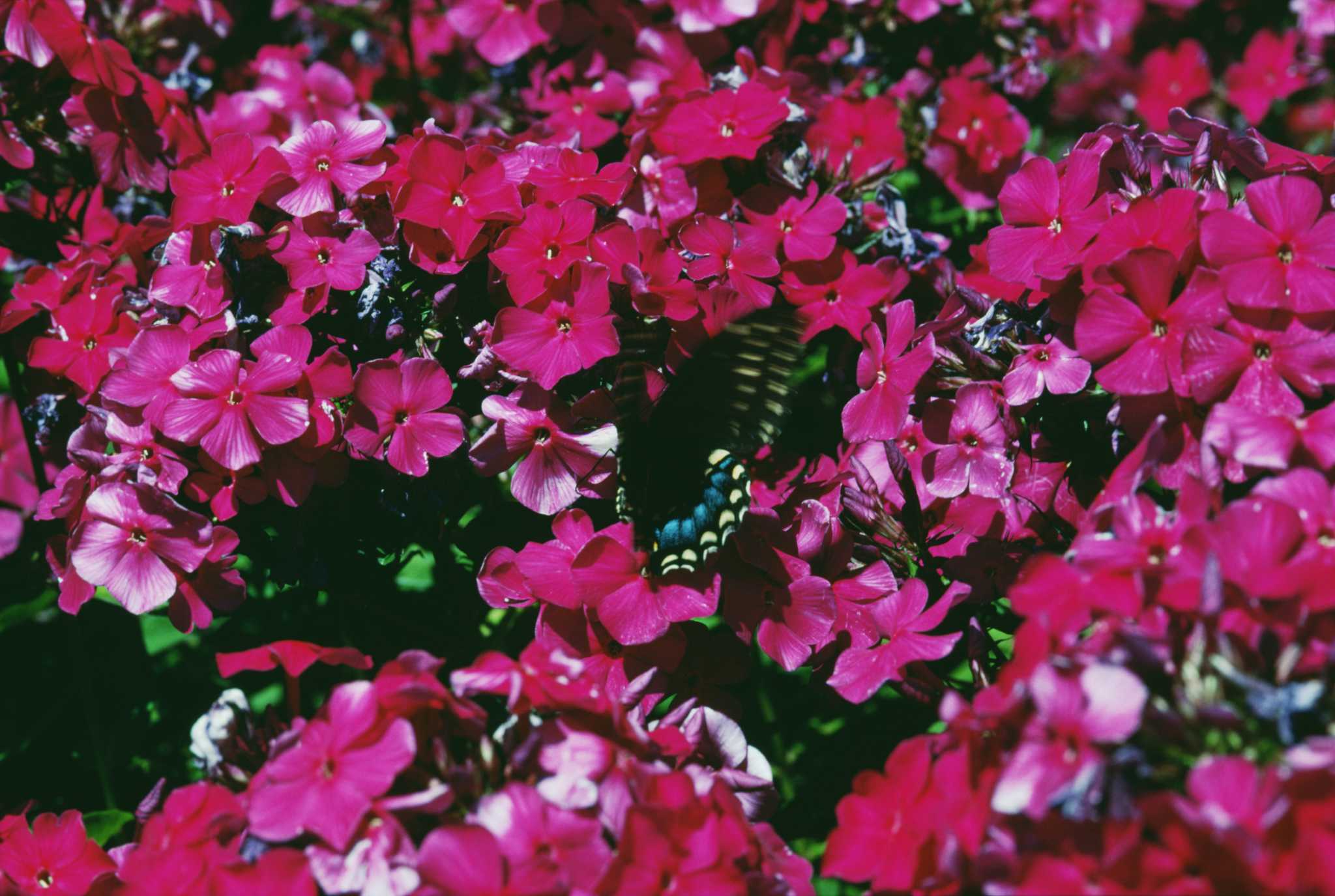
Image of transplanting phlox in summer
- Image 1: A gardener is digging up a clump of phlox with a spade. The phlox is in full bloom, with bright pink flowers.

- Image 2: The gardener has divided the clump of phlox into several smaller clumps. Each clump has several roots and a few shoots.

- Image 3: The gardener is replanting one of the clumps of phlox in a new location. The hole is the same size as the root ball of the phlox.

- Image 4: The gardener is watering the newly transplanted phlox. The phlox is in a shady spot, and the soil is moist.
- Image 5: The newly transplanted phlox is thriving in its new location. The flowers are still in bloom, and the leaves are a healthy green color.

Post a Comment for "How To Transplant Phlox In Summer Without Damaging Your Plants"